

How Often Should a Garage Door Be Serviced? Expert Guidelines
February 10, 2026
- By
- Garage Door Naples
At Garage Door Naples, we have spent many years helping homeowners identify preventable garage door problems before they grow into costly repairs. A question we hear often is how frequently a garage door should be serviced, and it is usually asked after something has already begun to fail. From our experience, skipped maintenance is one of the leading causes of unexpected breakdowns. We have seen firsthand how small issues quietly develop over time. In one case, a homeowner postponed routine service until a worn cable finally snapped. The sudden failure twisted the door off track and damaged two panels, creating safety concerns and disrupting daily routines. What should have been a simple tune up turned into a complex job involving garage door repair, longer downtime, and significantly higher costs. Regular servicing helps catch worn components early, improves door performance, and protects your investment over the long term.
What expert garage door maintenance should include
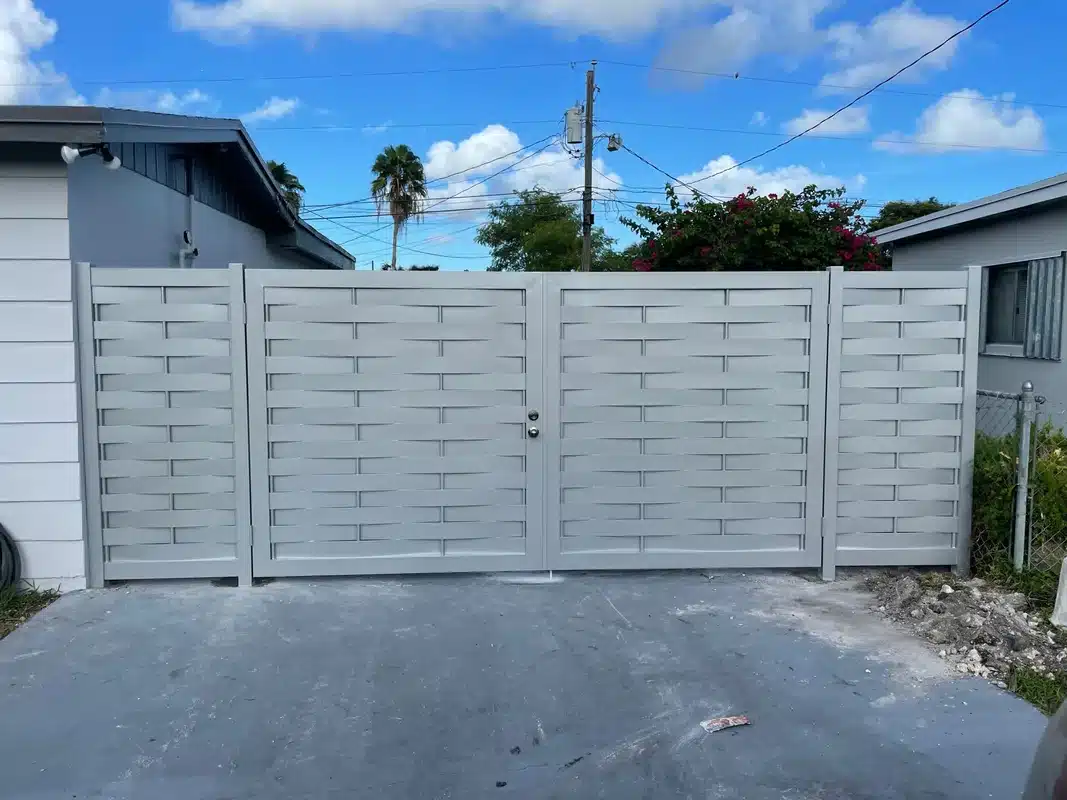
The most effective garage door service follows a consistent inspection process, not a quick visual check. Our team focuses on mechanical balance, safety compliance, and component wear because those factors determine how long the system lasts. High-quality service typically includes:
- Spring balance testing using manual lift resistance measurements
- Cable inspection for strand separation and drum alignment
- Roller evaluation, including bearing play and track contact
- Track plumb and level checks within 1/8-inch tolerance
- Opener force and travel limit verification per UL 325
- Photo-eye alignment and obstruction reversal testing

Matching maintenance intervals to real-world use
Service frequency should reflect how the door is used, not a generic calendar reminder. A door used as the primary household entrance experiences far more cycles than one opened a few times per week. Based on our experience:
- Standard residential use: annual professional service
- High-cycle use or heavy doors: every 6 months
- Rental properties: before each new tenancy
Schedule Preventive Service Before Problems Start
If your garage door hasn’t been inspected recently, we can help you get ahead of wear before it turns into a failure. Our team focuses on safety compliance, smooth operation, and long-term reliability – not quick fixes. We take the time to explain what we find, what can wait, and what needs attention now, so you can make informed decisions. Regular service protects your investment, reduces unexpected downtime, and keeps your household safer every day. Let’s set up a maintenance visit that fits your door’s actual usage and condition.

FAQs
How often should a garage door be serviced in a typical household?
For most households, annual professional service remains the baseline we recommend to keep a garage door operating safely and reliably. A standard residential garage door can cycle multiple times each day, often without homeowners noticing the cumulative impact. Over time, this frequent use places steady stress on springs, rollers, hinges, tracks, and lifting cables. Annual service ensures these components are thoroughly inspected, properly lubricated, and precisely adjusted before gradual wear turns into a sudden failure. In homes where the garage functions as the primary entry, or where the door is oversized, custom, or constructed from heavier materials such as wood, servicing every six months is often the smarter choice. More frequent attention helps manage the additional load and usage. The objective is preventative care, addressing minor issues early so noise, imbalance, safety risks, or opener strain never have a chance to develop.
What happens during a professional garage door service visit?
A proper service visit goes well beyond simple lubrication or a quick visual check. Our approach focuses on understanding how the entire system operates under real conditions. We test spring balance to confirm the door remains stable through its full travel, inspect lift cables closely for fraying or corrosion, verify roller condition, and confirm that tracks are aligned within tight tolerances. Safety systems are checked carefully to meet UL 325 requirements, including auto reverse force settings and photo eye response time. We also listen for early signs of bearing noise, check fastener security, and measure opener strain during startup and normal movement. This process takes time because each component directly affects the performance and safety of the others. Skipping steps can leave hidden risks in place, increase wear, and shorten equipment life, which is why a thorough inspection matters as much as any adjustment or repair.
How much does routine garage door service usually cost?
Routine garage door service commonly begins in the range of $100 – $200, though actual pricing can vary based on several important factors. The overall condition of the door, the type of hardware installed, and the complexity of the system all influence the final cost. Newer garage doors with standard components often require basic adjustments or minor tuning, which helps keep service time and expense lower. In contrast, older doors, specialty materials, or custom configurations may demand more extensive labor and diagnostic work. Additional repairs, including replacement of worn rollers, frayed cables, damaged springs, or misaligned tracks, can raise the total investment. These price ranges are provided strictly as general guidelines for planning purposes. They are not intended to serve as fixed or guaranteed estimates. A professional on-site inspection is necessary to accurately assess conditions and provide a detailed and reliable service proposal.
Can homeowners handle garage door maintenance themselves?
Basic visual checks and keeping tracks clear of debris are reasonable tasks for most homeowners and can help spot early signs of wear. Simple actions like listening for unusual noises, checking for loose hardware, and making sure safety sensors are unobstructed can support reliable operation. However, any task involving springs, lift cables, drums, or opener force and travel settings should remain professional work. Torsion springs store a large amount of energy, and improper handling can cause severe injury or property damage. We have seen well meaning DIY adjustments result in unbalanced doors, bent tracks, or strained openers that fail prematurely. Professional service brings proper tools, training, and adherence to safety standards. This approach reduces risk, protects warranties, and prevents small mistakes from escalating into costly secondary damage.
What warning signs suggest my garage door needs service now?
Common warning signs of garage door trouble often appear gradually and are easy to overlook until performance noticeably declines. New grinding, scraping, or popping noises usually indicate worn rollers, loose hardware, or track misalignment. Uneven door movement, jerking during travel, or a door that opens slower than normal can point to balance problems or motor strain. If the door feels unusually heavy when lifted by hand, this often suggests spring fatigue or failure. Visible cable fraying, rust, or separation in torsion springs signals a need for immediate professional attention due to safety risks. Another frequently missed indicator is an opener that reverses unexpectedly or stops mid cycle, which may mean force or limit settings are no longer calibrated correctly. Addressing these issues early helps prevent sudden breakdowns, reduces repair costs, and often limits the solution to minor adjustments instead of full part replacement.
What are the most common problems caused by skipped maintenance?
Skipped maintenance most often leads to worn rollers, misaligned tracks, and fatigued springs that gradually undermine the entire system. As components degrade, friction increases and the opener must work harder during every cycle, which accelerates motor wear and shortens overall lifespan. Uneven lifting places extra stress on hinges, brackets, and door panels, sometimes cracking sections that could have been preserved with basic adjustments and lubrication. Cables can fray without notice, bearings can seize, and fasteners can loosen, all of which compound the original problem. We also see safety systems drift out of calibration, including photo eyes and force settings, increasing injury risk, property damage, and liability. Routine service addresses small issues before they escalate, restores smooth operation, improves energy efficiency, and protects the investment in both the door and the opener while supporting long term reliability and safety.
What should homeowners look for when hiring a garage door professional?
Homeowners should prioritize technicians who demonstrate clear knowledge of DASMA standards, UL 325 safety requirements, and manufacturer-specific installation and repair guidelines. A qualified professional should be willing to explain the diagnostic process in plain language, provide documented findings, and outline realistic timelines for repairs or replacements. These behaviors signal transparency and respect for the customer. Be cautious of providers who promise unusually fast service without first checking door balance, force settings, or critical safety features such as photo eyes and auto reverse systems. Speed should never replace proper testing on a high-risk mechanical system. Verifying proper insurance coverage, licensing where applicable, and a solid reputation for preventive care is also essential. The best technicians focus on long term reliability, routine maintenance, and risk reduction rather than quick fixes that may lead to repeat failures or safety hazards.
When does a garage door issue require urgent attention?
While many garage door problems are not immediate emergencies, certain warning signs should prompt quick scheduling with a qualified technician. A door that will not stay open, visible fraying or damage to lift cables, or a sudden loud bang coming from the spring area all indicate a higher risk of failure. These issues can lead to unexpected door collapse, damage to vehicles, or personal injury if ignored. Until a professional can inspect the system, avoid operating the door and disconnect the opener if the door shows unstable or uneven movement. Keep the area clear of people and pets to reduce risk. Acting promptly allows a technician to diagnose the cause early, limit additional wear on connected components, and often reduce the overall cost and complexity of the repair.